Same order.
Different story.
One Big Mac. Medium fries. A regular Coke.
Take a familiar meal across borders—and back in time. The numbers have a few surprises.
has a source.
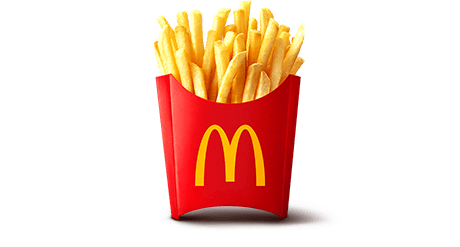

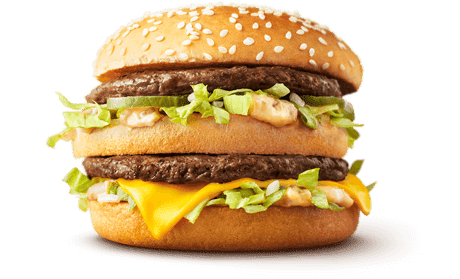
Menu photography: McDonald’s Japan; illustrative, not to scale.
Turn back the menu.
Choose a country. Flip the dated records. See what moved.
Bars show published kcal on the same 0–600 scale. Gray ticks mark the earliest recovered record. Click a food to inspect the source.
Same “medium”.
Different calories.
Same menu names, different local servings. The latest recovered records are below, with their source dates attached. Click a country to open its record.
We went looking
for the small print.
Old PDFs. Regional menus. Different serving conventions. The interesting part was getting the same three items onto the same page.
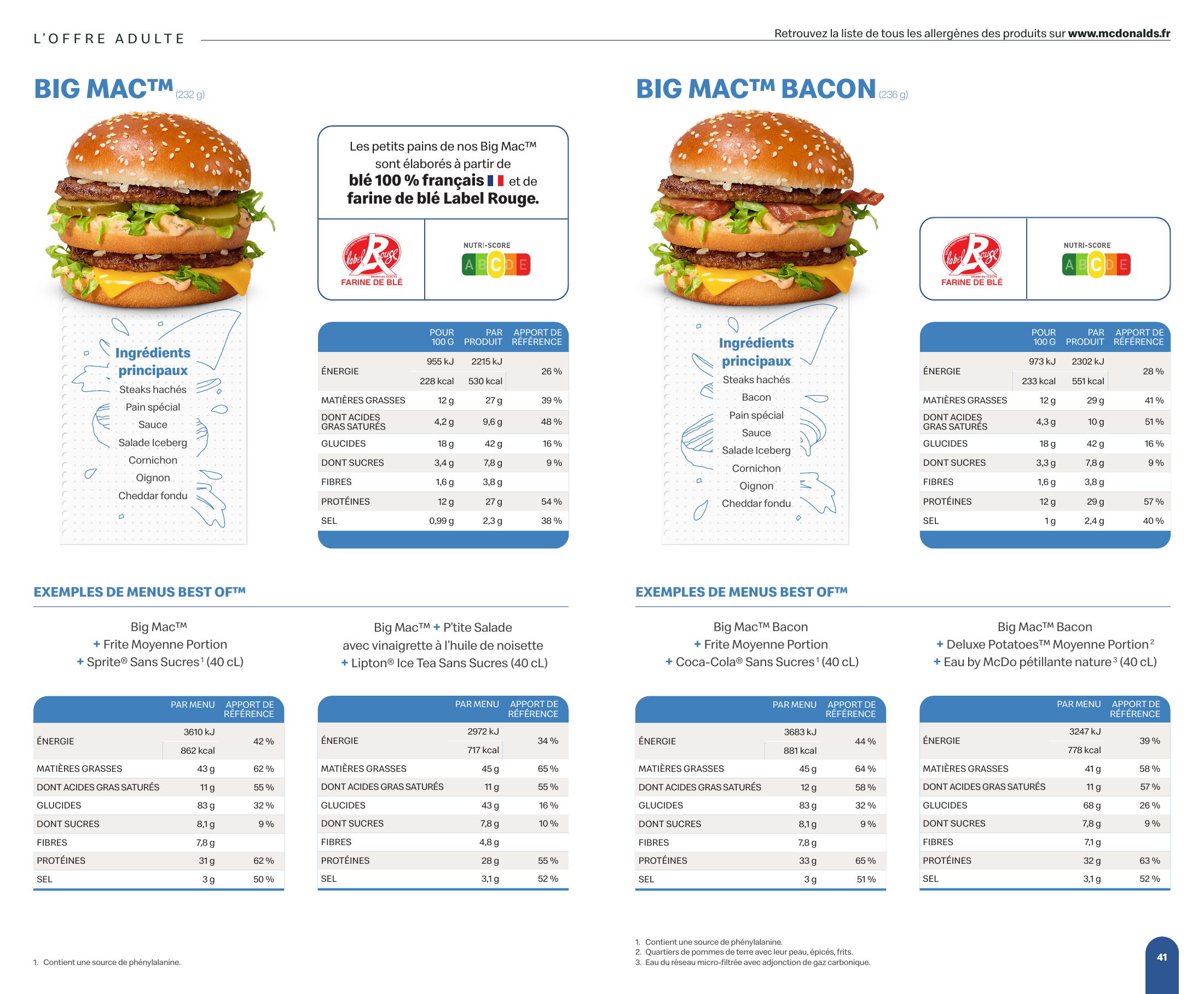
In France, the burger went from 510 to 530 kcal, fries from 340 to 328, and Coke from 170 to 162. The published total stayed exactly where it was.
How We Matched The Records ↗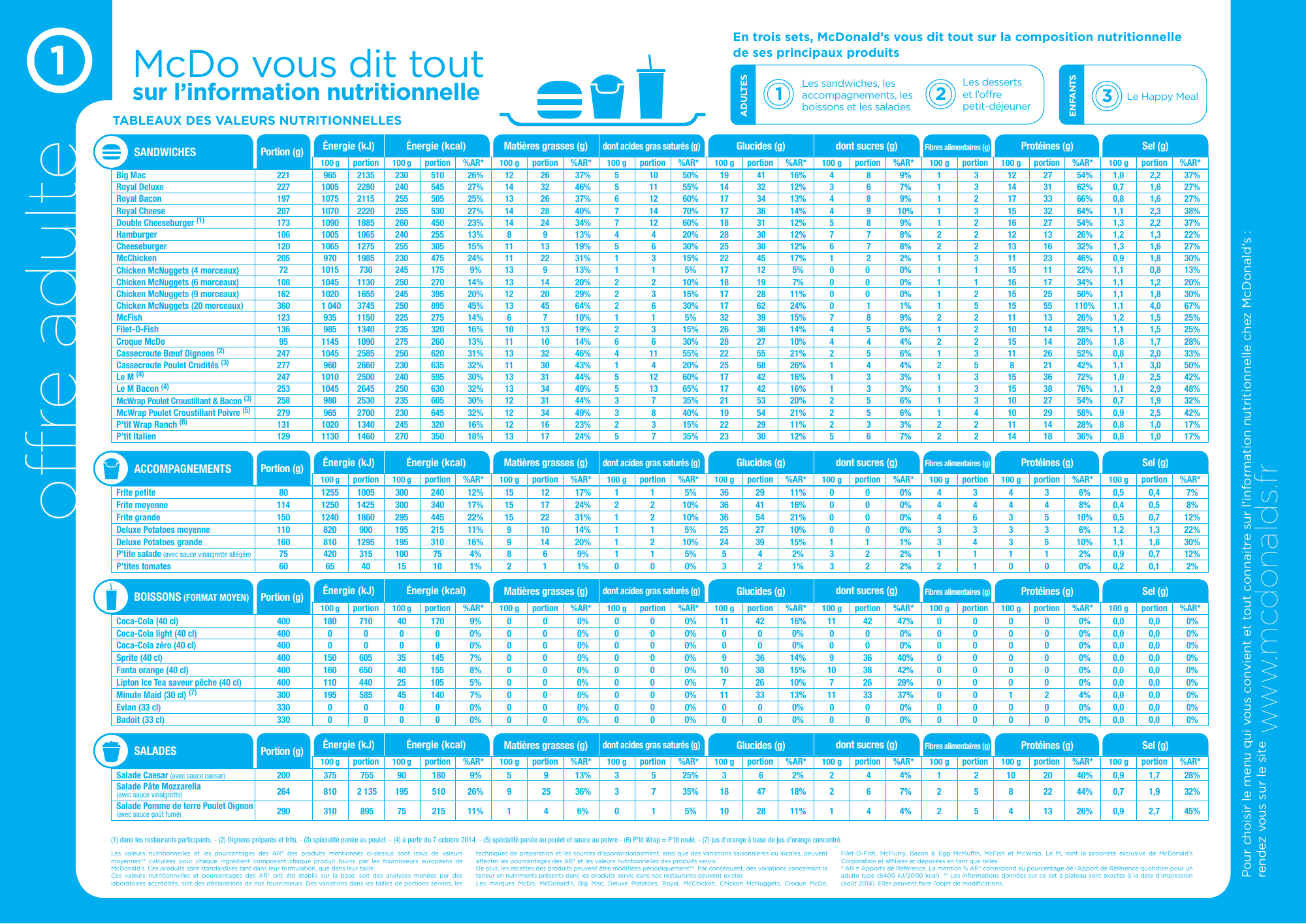
How We Matched The Meal · Sources & Limitations
One standard Big Mac, one locally named medium fries, and one medium regular Coca-Cola. No extra sauce. Totals add the three published per-serving kcal figures; rounding is preserved.
This is an archive of menu specifications, not a measurement of food served in restaurants. “Medium” is not a common weight or volume. Different recipes, servings, ice, and reporting practices can affect the figures.
Dates are discrete source snapshots, not continuous measurements. A page retrieved in September 2026 does not establish when its recipe changed. Australia combines January 2026 food and October 2025 drinks sheets.
France: McDonald’s August 2014 sheet and 2025 brochure; all three calorie figures crosschecked against current product pages. US: McDonald’s sheet effective September 2015, preserved by Ohio State, plus current product pages. UK: 2023/2024 leaflets and current official product API. Japan: official nutrition table. Australia: official nutrition PDFs.
Grams and mL are shown only when explicitly published. Unknown sizes stay unknown. The data cannot establish why a value changed, or rank the overall health of a meal.