
Build Low-Calorie Cocktails That Aren't Vodka Soda
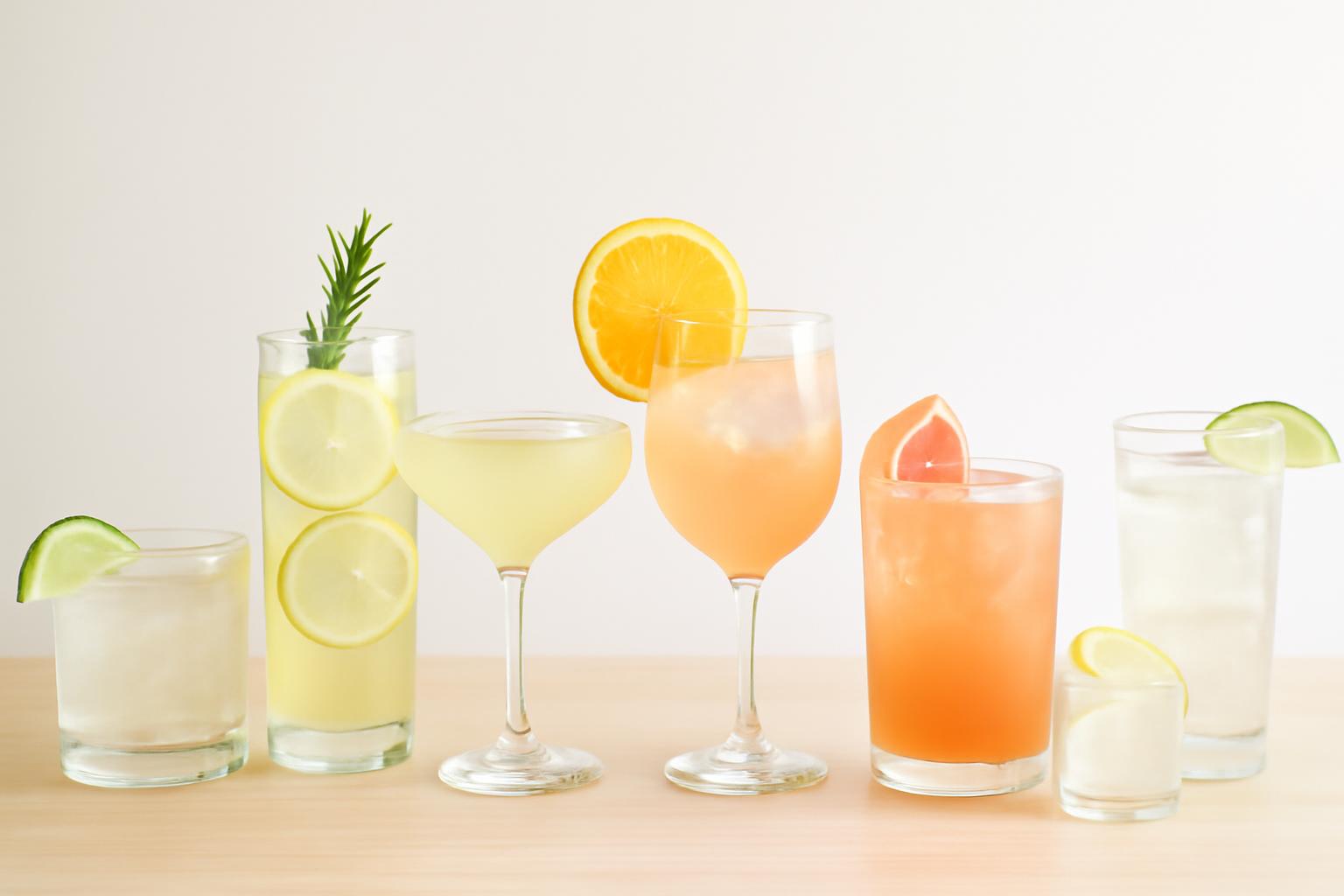
A larger pour can erase the calorie savings from a diet mixer, and a single cocktail may contain more than one standard drink.
The simplest low-calorie mixed drink is a measured 1.5-ounce pour of 80-proof liquor with a zero- or very-low-calorie mixer. That combination usually starts near 100 calories before garnishes: UF Health lists 1.5 ounces of 80-proof gin, rum, vodka, or whiskey at 97 calories, while higher-proof pours contain more. The practical rule is simple: measure the alcohol, choose the mixer deliberately, and check the label.
“Low calorie” does not mean alcohol-free, low-alcohol, or healthy. A larger pour can erase the calorie savings from a diet mixer, and a single cocktail may contain more than one standard drink. Treat every number below as a recipe-specific estimate, not a promise about every bar or brand.
Quick list: lower-calorie mixed drinks by serving
| Drink | Defined serving | Approximate calories | Why it stays lower |
|---|---|---|---|
| Vodka soda with lime | 1.5 oz 80-proof vodka + 6 oz soda water + lime wedge | 100–105 | Soda water contributes little or no energy; most calories come from the measured spirit |
| Gin and diet tonic | 1.5 oz 80-proof gin + 4 oz diet tonic | About 98–105 | Diet tonic avoids the sugar calories in regular tonic; labels vary |
| Rum and diet cola | 1.5 oz rum + diet cola, 8 oz total | About 100 | UF Health’s defined 8-ounce reference serving is 100 calories |
| Tequila soda with lime | 1.5 oz tequila + soda water + lime | About 99–105 | The recipe avoids grapefruit soda, syrup, and a sugar rim |
| Whiskey highball | 1.5 oz 80-proof whiskey + 5–6 oz soda water | About 100–110 | A measured spirit and unsweetened carbonated water keep the formula simple |
| Half-pour wine spritzer | 3 oz table wine + 3 oz soda water | About 75–80 | Three ounces is three-fifths of the 5-ounce wine reference serving |
| Small mimosa | 4 oz total | About 75 | UF Health lists a defined 4-ounce mimosa at 75 calories; restaurant pours may be larger |
These are comparison estimates, not laboratory results. UF Health’s alcoholic-beverage calorie table lists 1.5 ounces of an 80-proof spirit at 97 calories, versus 116 calories for a 94-proof spirit, and it shows how dramatically mixed-drink recipes can differ. Healthline’s medically reviewed roundup provides similar recipe-defined estimates—about 98 calories for a gin and diet tonic and 99 for tequila with lime—while linking its ingredient values to USDA FoodData Central.
1. Vodka soda with lime
Build it with 1.5 ounces of 80-proof vodka, plenty of ice, 6 ounces of plain soda water, and a lime wedge. Expect roughly 100 to 105 calories, depending on how much lime juice is added and the exact vodka proof.
The key is the pour. A free-poured 2 ounces of the same vodka is roughly one-third more spirit than 1.5 ounces. Soda water can make the drink longer and more refreshing, but it does not cancel the calories or alcohol already in the glass.
2. Gin and diet tonic
Use 1.5 ounces of 80-proof gin and 4 ounces of diet tonic over ice. A reference version lands around 98 to 105 calories. Diet tonic is not the same as soda water: it contains tonic flavor and sweetener, and some “light” tonics still contain calories. Read the nutrition label rather than relying on the words light or skinny.
3. Rum and diet cola
UF Health lists an 8-ounce rum and Diet Coke at about 100 calories, compared with 185 for the same-size rum and regular Coke reference. That 85-calorie gap comes from the recipe and mixer, not from a different kind of rum.
Manufacturer labels show why the choice matters. A 12-ounce Coca-Cola Original label lists 140 calories, while a 12-ounce Diet Coke label lists zero. A cocktail rarely uses an entire can, so calculate from the amount actually poured and check the specific product in hand.
4. Tequila soda with lime
Combine 1.5 ounces of tequila, soda water, ice, and fresh lime. A reference serving is about 99 to 105 calories. This is usually lower than a margarita built with orange liqueur, sweet-and-sour mix, agave syrup, or a sugary premix.
For flavor without a heavy mixer, add a strip of grapefruit peel, muddled jalapeño, mint, or a small splash of citrus. “Small” needs to be measurable: an ounce of juice and an unmeasured pour are not interchangeable.
5. Whiskey highball
Pour 1.5 ounces of 80-proof whiskey over ice and add 5 to 6 ounces of soda water. The result is generally around 100 to 110 calories. Ginger ale, cola, honey syrup, and sweetened bottled highball mixers change the total, sometimes substantially.
Whiskey is not automatically higher in calories because it is dark. At the same proof and serving size, the amount of alcohol is the more useful first comparison. Added sugar and other caloric ingredients then determine the rest.
6. Half-pour wine spritzer
Mix 3 ounces of table wine with 3 ounces of soda water and ice. Scaling from UF Health’s 5-ounce references—about 125 calories for red table wine and 128 for white—puts the wine portion near 75 to 77 calories before fruit or other additions.
This works because the recipe uses less wine, not because bubbles remove calories. If a bartender pours 5 ounces of wine and then adds soda, the drink has about the same wine calories as the full glass.
7. Small mimosa
A small mimosa can fit a lower-calorie comparison when its serving is defined. UF Health’s table lists 75 calories for a 4-ounce mimosa. A large flute, generous juice pour, sweeter sparkling wine, or refill changes that number, so “one mimosa” is not a reliable unit by itself.
The swap logic that actually changes the calorie total
Start with the recipe, not the cocktail name. The same name can describe very different pours.
- Measure the spirit first. A 1.5-ounce pour of 80-proof liquor is the baseline used here. UF Health’s table shows that the same 1.5-ounce serving rises from 97 calories at 80 proof to 116 at 94 proof.
- Replace, reduce, or dilute the caloric mixer. Plain soda water usually adds no calories. Diet cola or diet tonic can sharply reduce mixer calories, but product formulas differ. If you prefer juice, use a measured splash rather than filling the glass with it.
- Count every sweet component. Syrup, liqueur, sweet-and-sour mix, ginger beer, coconut cream, and juice all belong in the total. A sugar rim is an ingredient too.
- Keep flavor while trimming volume. Citrus peel, fresh herbs, bitters used in small amounts, spices, and unsweetened tea can add aroma or bitterness without several ounces of sweet mixer. Check labels for prepared products.
- Compare equal servings. A 4-ounce drink and a 12-ounce drink are not a fair comparison. Put ounces, proof or ABV, and calories on the same line.
The range between recipes can be large. UF Health lists a 4-ounce margarita at 168 calories, a 6.8-ounce piña colada at 526, and an 8-ounce White Russian at 568. Those numbers are not universal recipes; they illustrate why cream, coconut ingredients, liqueurs, juice, and total serving size matter.
Calories and alcohol strength are separate questions
In the United States, NIAAA defines one standard drink as about 14 grams of pure alcohol. Examples include 1.5 ounces of 40% ABV distilled spirits, 5 ounces of 12% wine, or 12 ounces of 5% beer. Glass size alone does not tell you how much alcohol is present.
That distinction matters for mixed drinks. NIAAA’s mixed-drink and cocktail calculator notes that one cocktail can contain one, two, or more standard drinks and that recipes vary among bars, restaurants, and home pours. It also explains that proof is twice the ABV for distilled spirits: 80 proof is 40% ABV.
Adding soda water increases the drink’s total volume but does not reduce the amount of alcohol in the measured spirit. Likewise, choosing a zero-calorie mixer can lower calories without lowering alcohol. If the goal is both fewer calories and less alcohol, reduce the alcoholic pour or choose a genuinely lower-ABV or alcohol-free drink—not merely a larger glass with more mixer.
NIAAA’s alcohol calorie calculator also makes the basic point that alcoholic beverages supply calories while providing few nutrients. “Low-carb,” “clear,” or “sugar-free” therefore does not mean calorie-free when alcohol remains in the recipe.
A responsible-drinking note
Lower-calorie alcohol is still alcohol. The CDC’s current alcohol guidance states that drinking less is better for health than drinking more and that choosing not to drink lowers risk. It identifies any drinking during pregnancy or under age 21 as excessive alcohol use and notes that one beverage may contain more than one standard drink.
Do not start drinking for a perceived health or weight benefit. If you do drink, track the actual pour, avoid driving or other dangerous activities afterward, and make an alcohol-free option the default when alcohol is unsafe for your circumstances.
Frequently asked questions
What mixed drink has the fewest calories?
There is no universal winner because brands, proofs, and pours vary. A measured 1.5 ounces of 80-proof spirit with plain soda water is a useful near-100-calorie baseline. An alcohol-free soda water with citrus is lower still.
Does more ice make a cocktail lower in calories?
Only if the ice displaces ingredients that would otherwise be poured. Ice and meltwater dilute a drink but do not remove calories or alcohol already added.
Is tonic water the same as soda water?
No. Plain soda water is carbonated water. Regular tonic is a flavored, usually sweetened mixer; diet tonic uses non-sugar sweeteners or a reduced-calorie formula. Labels and serving sizes vary.
Are clear liquors lower in calories than dark liquors?
Color is not the deciding factor. Compare the same serving size and proof first, then account for sugar or other ingredients in a flavored spirit and in the mixer.
Can a “skinny” cocktail contain more than one drink?
Yes. “Skinny” is a marketing or recipe description, not a standard alcohol measure. A cocktail with a diet mixer can still contain multiple pours of spirits, so check ounces and ABV.
The most reliable low-calorie mixed drink is not a magic cocktail name. It is a transparent recipe: measured alcohol, a labeled mixer, a defined total serving, and an honest calorie estimate.