
Sugar Free White Chocolate: What It Is, How to Use It, and When to Make or Buy It
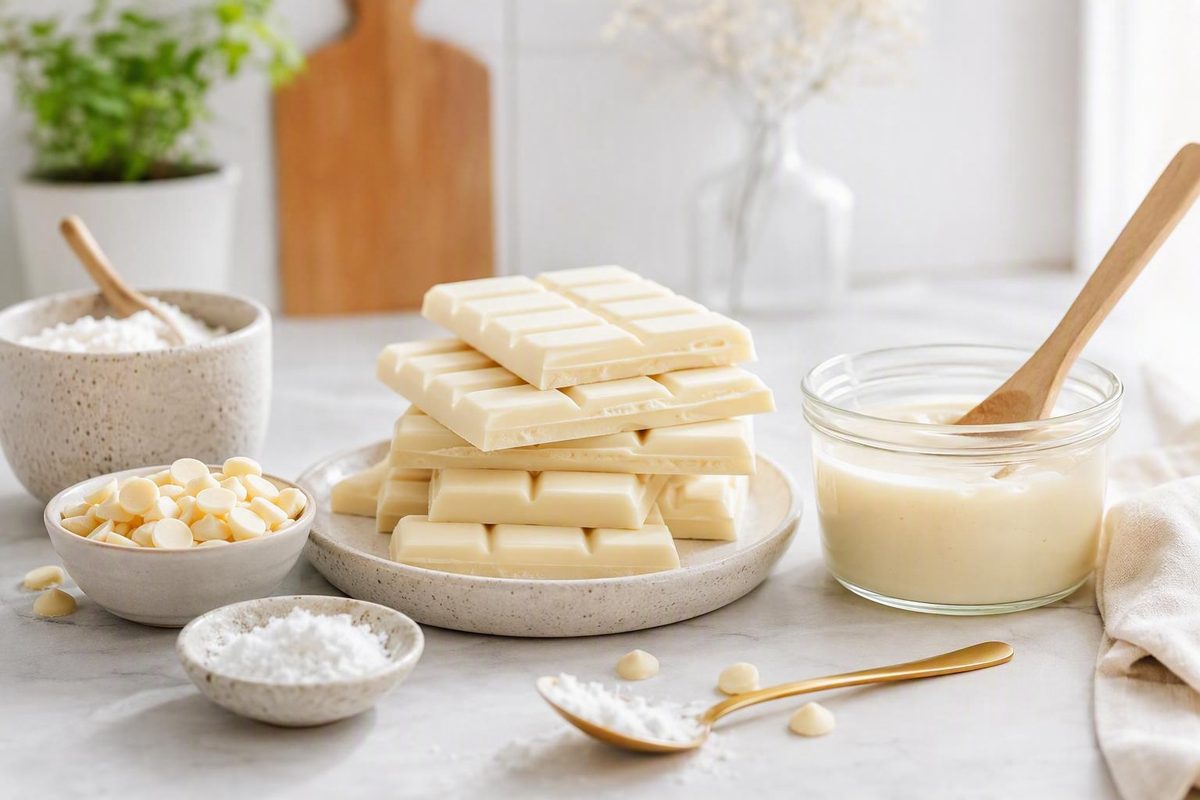
Make it at home when ingredient control is the priority; buy it when convenience, consistency, or a specific product format is the priority.
Sugar Free White Chocolate: What It Is, How to Use It, and When to Make or Buy It
Overview
Sugar free white chocolate is white chocolate made without added sugar, and it comes to you two ways: as a homemade recipe built on cacao or cocoa butter, milk powder, and an alternative sweetener, or as a store-bought keto and low-carb product in formats like chips, bark, and spreads. The right choice depends on your use case — ingredient control favors homemade, while convenience and consistent baking formats favor buying.
The search results for this phrase split cleanly along that same line. Recipe sites such as Sugar Free Londoner and A Clean Bake teach you to make it at home with a handful of ingredients, while product collections such as ChocZero’s keto white chocolate range sell finished formats with no added sugar. This guide covers both paths: what the category actually is, how the homemade version is usually made, which ingredients and sweeteners matter, which format fits which job, how to avoid texture problems, and what to check on a label before you commit.
What sugar-free white chocolate is
Functionally, sugar-free white chocolate is a blend of cocoa butter (often labeled cacao butter in recipes), a creamy dairy or dairy-free component, and a sugar substitute in place of the sugar that regular white chocolate relies on. Unlike dark or milk chocolate, white chocolate contains the fat of the cacao bean but not the dark cocoa solids — which is why it is pale, mild, and buttery rather than chocolatey in the conventional sense.
The homemade versions in the supplied recipe evidence follow a consistent pattern. Sugar Free Londoner builds its keto white chocolate from just five ingredients: cacao butter, allulose, milk powder, vanilla extract, and coconut oil. A Clean Bake calls milk powder “the secret ingredient” and uses a similar base of melted coconut oil, cacao butter, and dry milk. On the store-bought side, ChocZero describes its white chocolate as made with heavy cream and cocoa butter, sweetened with monk fruit, with no added sugar and low net carbs.
The practical difference from regular white chocolate comes down to the sweetener. Sugar does more than sweeten in chocolate — it contributes bulk and texture — so replacing it with allulose, monk fruit, or another substitute changes how the finished chocolate melts, sets, and feels. That is why homemade sugar-free versions come with troubleshooting notes that regular white chocolate recipes rarely need, and why sweetener choice deserves its own section later in this guide.
One boundary worth stating: this is a functional description, not a legal one. Regulatory definitions of “white chocolate” vary by jurisdiction and set minimum cocoa butter and milk-solid requirements that the supplied evidence does not document, so treat “sugar-free white chocolate” here as a category of foods that behave like white chocolate without added sugar.
Make or buy: the practical decision
Make it at home when ingredient control is the priority; buy it when convenience, consistency, or a specific product format is the priority. The evidence supports both routes clearly: two of the three top-ranking sources are homemade recipes built on cacao butter, milk powder, sweetener, coconut oil, and vanilla, while the third is a product collection spanning white chocolate formats designed for eating and baking without a double boiler in sight.
Homemade appeals for a few concrete reasons. You choose the exact sweetener (allulose in the Sugar Free Londoner recipe, for instance), you control the dairy component — A Clean Bake’s page is framed around gluten-free, paleo, and dairy-free adaptability — and you can adjust flavor with vanilla, salt, or add-ins. The tradeoff is effort and risk: you take on melting, mixing, molding, and the texture pitfalls covered later in this article.
Store-bought appeals when the format is the point. ChocZero’s collection illustrates the breadth available in this category — white chocolate baking chips, bark, truffles, peanut butter cups, spreads, and sauces — sold as keto-friendly and low in net carbs. If your recipe calls for chips that hold their shape in a cookie, a bag of purpose-made baking chips is simpler than chopping a homemade slab into chunks.
| Your situation | Better-fit route | Caveat to keep in mind |
|---|---|---|
| You want full control over sweetener and dairy content | Make it | Requires careful low-heat melting and setting time |
| You need chips or chunks for cookies and muffins | Buy baking chips | Check the current ingredient label for the sweetener used |
| You want dairy-free, paleo, or other specific adaptations | Make it | Substitutions (e.g., coconut milk powder) change texture; expect some testing |
| You want a ready-to-eat snack, cups, or truffles | Buy | Formats and availability vary; verify keto/low-carb claims on the label |
| You want spreads or sauces for drizzling | Buy | These are distinct products, not melted bar chocolate |
| You enjoy experimenting with flavors and molds | Make it | Homemade may need refrigeration and behaves differently than tempered commercial chocolate |
On cost, the honest answer is that neither the recipe pages nor the product collection supplies current prices and yields, so a defensible price-per-batch comparison is not possible here. Homemade cost depends heavily on cacao butter and specialty sweetener prices in your market; store-bought cost depends on the format and current retail pricing. If cost drives your decision, price the ingredients for one batch against the product you would otherwise buy before choosing.
How homemade sugar-free white chocolate is usually made
The common homemade method is simple in outline: gently melt the fats, blend in the powdered ingredients and sweetener, pour into molds or onto a lined surface, and chill until set. Both recipe sources follow this shape — Sugar Free Londoner structures its page around ingredients, instructions, FAQs, flavor ideas, and storage, and A Clean Bake presents the same recipe-card anatomy of ingredients, instructions, and notes.
The ingredient pattern is remarkably consistent across the two recipes:
- Cacao (cocoa) butter — the structural fat that makes it chocolate rather than candy coating; A Clean Bake’s version uses 2 ounces alongside its other ingredients.
- Milk powder — the “white” and “creamy” element; A Clean Bake uses 1/3 cup dry milk and calls milk powder the secret ingredient.
- A powdered or dissolving sweetener — allulose in the Sugar Free Londoner recipe; sweetener choice is covered in the next section.
- Coconut oil — a softening fat; A Clean Bake calls for 1/3 cup, melted and slightly cooled.
- Vanilla extract and (optionally) salt — for flavor rounding.
Two handling principles run through the recipe-page guidance. First, heat gently: cacao butter and the finished mixture respond badly to aggressive heat, which is why these recipes emphasize slow, low-temperature melting rather than a rolling boil or a long blast in the microwave. Second, give it time and cold to set: homemade sugar-free white chocolate is typically poured into silicone molds or spread thin, then chilled in the refrigerator until firm.
What this is not: a tempered commercial chocolate. Homemade versions made this way generally behave more like a soft-set confection than a snap-crisp bar, which affects how you store them and what uses they suit. If you want a first attempt to succeed, follow one of the linked recipes exactly before improvising — the ratios of hard fat, soft fat, powder, and sweetener are what make the texture work, and freelancing on quantities is the fastest route to the problems described in the troubleshooting section below.
Ingredients and sweeteners that affect taste and texture
If you make sugar-free white chocolate at home, two decisions shape the result more than anything else: which creamy powder you use and which sweetener you choose. Both recipe sources agree on the framework, but neither settles every tradeoff, so treat the guidance below as a starting map rather than a verdict.
The creamy component. Milk powder is the default — A Clean Bake is explicit that dry milk powder is what makes the recipe taste like white chocolate rather than sweetened fat. The evidence set also points to alternatives for different diets: heavy cream appears in ChocZero’s commercial formulation, and dairy-free adaptation (the kind flagged in A Clean Bake’s gluten-free, paleo, and dairy-free framing) typically means substituting coconut milk powder or a similar non-dairy powder. Expect substitutions to change flavor and texture — coconut milk powder brings its own taste, and any powder swap can affect how smoothly the mixture blends.
The sweetener. The recipes and products in the evidence use several different sugar substitutes, and the choice matters because sweeteners dissolve, crystallize, and taste differently:
- Allulose — the sweetener in the Sugar Free Londoner recipe; recipe writers in this space often favor it for smooth-setting homemade chocolate.
- Monk fruit — the sweetener ChocZero names for its white chocolate; common in commercial keto products, often as part of a blend.
- Erythritol and erythritol blends — widely used in keto baking; granular forms are prone to grittiness in chocolate unless finely powdered.
- Stevia — highly concentrated, so it appears mostly in blends rather than as the bulk sweetener.
Two practical rules follow from how these behave. First, use a powdered form whenever possible: undissolved sweetener crystals are the most common source of gritty homemade chocolate, and powdering minimizes them. Second, expect character differences you can only judge by tasting — cooling sensations, aftertastes, and recrystallization on storage vary by sweetener and by person, and the supplied evidence does not support declaring one sweetener the universal winner. If you have a sweetener you already like in other keto desserts, start there; if you are starting fresh, following a tested recipe’s named sweetener (such as allulose in the Sugar Free Londoner version) removes one variable from your first batch.
Finally, don’t overlook the small ingredients. Vanilla extract and a pinch of salt do real flavor work in a confection with no cocoa solids to hide behind, and the coconut oil quantity affects softness — more soft fat means a softer set.
Best formats for baking, dipping, and snacking
Match the format to the job: chips for baking into things, meltable bars or homemade batches for dipping and ganache, molded pieces or commercial bark and cups for snacking. The evidence shows both homemade outputs (molds, slabs, chopped chunks) and a wide commercial format range — ChocZero’s collection alone spans baking chips, bark, truffles, peanut butter cups, spreads, and sauces — so the real question is which form suits what you’re making.
Here is how the common use cases map to formats, based on the uses referenced across the recipe and product evidence:
- Cookies, muffins, and blondies: purpose-made sugar-free white chocolate baking chips are the low-effort option because they are shaped to survive mixing and baking; chopped homemade chunks work too but melt more readily.
- Dipping strawberries or coating cake pops: you need a smoothly melted coating, which means either carefully melting a store-bought product or using a fresh homemade batch while it is still fluid — dipping questions appear in the reader discussion on A Clean Bake’s page.
- Ganache: homemade or melted sugar-free white chocolate combined with cream; ganache is one of the adaptations raised in A Clean Bake’s reader Q&A, and homemade gives you control over how sweet the base is.
- Bark and molded candies: a natural fit for homemade — pour into silicone molds or spread thin, add toppings, and chill — though commercial bark exists if you want zero kitchen work.
- Drizzling and spreading: commercial spreads and sauces are built for this and skip melting entirely.
- Straight snacking: commercial bars, cups, and truffles are ready to eat; homemade pieces work but may need refrigerated storage.
One caution keeps this honest: the evidence documents that these formats and uses exist, not how specific products perform head-to-head when melted or baked. Melting behavior varies between brands and between homemade batches, so test a small amount before committing a product to a big dipping or coating project. When in doubt, choose the format designed for the task — chips for baking, spreads for spreading — rather than forcing one product to do everything.
Texture, melting, and storage issues
Most sugar-free white chocolate failures trace to three causes: overheated fat, undissolved sweetener, and moisture getting into the melt. The recipe sources treat troubleshooting as core content — Sugar Free Londoner dedicates page sections to tips, FAQs, and storage, and A Clean Bake’s notes and reader Q&A revolve around getting the texture right — which tells you these problems are common enough to plan for.
The main failure modes and their practical prevention:
- Grittiness usually comes from sweetener crystals that never dissolved. Use a powdered sweetener, add it to warm (not scorching) fat, and stir patiently until the mixture is smooth before pouring.
- Separation — a greasy layer splitting from the solids — points to overheating or under-mixing. Melt cacao butter gently over low, indirect heat and combine ingredients while everything is warm and fluid.
- Seizing — the melt suddenly turning thick and clumpy — is classically triggered by water contact. Keep bowls, spoons, and molds completely dry, and be careful with liquid flavorings.
- Overheating damage can dull flavor and wreck texture even without visible separation. White chocolate’s lack of dark cocoa solids makes it less forgiving; slow and low is the operating rule.
If a batch does go gritty or greasy, don’t discard it reflexively — off-texture sugar-free white chocolate can often still be chopped into baked goods where texture flaws disappear into a cookie, even if it no longer suits molds or dipping.
Storage is the other half of keeping a batch usable. Homemade sugar-free white chocolate made with coconut oil sets and holds best in the cold, which is why the recipe pages cover refrigerator storage as standard practice and freezer storage for longer keeping. Practically: store finished pieces in an airtight container in the refrigerator, freeze what you won’t use soon, and expect softening if pieces sit out in a warm kitchen — this is not shelf-stable tempered chocolate. Store-bought bars and chips are generally more tolerant of pantry conditions, but follow the packaging guidance rather than assuming.
The takeaway: treat heat, moisture, and sweetener form as the three variables under your control. Get those right and follow a tested recipe’s ratios, and the dramatic failures — seized melts, split slabs, sandy bars — mostly stop happening.
Dietary and label checks before you choose
“Sugar free” on the front of a package tells you what was left out, not everything you may need to know — so the last step before buying or making is a short verification pass against your actual dietary needs. The evidence supports the category’s keto and low-carb positioning: ChocZero markets its white chocolate as having no added sugar and being low in net carbs, and Sugar Free Londoner’s recipe is explicitly framed as keto. But positioning is a starting point for your label check, not a substitute for it.
For store-bought products, these are the checks that matter most:
- Sweetener type: identify which sugar substitute is used (monk fruit, allulose, erythritol, stevia, or a blend) and whether it is one you tolerate and enjoy — sugar alcohols in particular affect people differently.
- Net-carb math: brands often highlight net carbs, but the calculation depends on how fibers and sugar substitutes are counted; read the full nutrition panel rather than relying on a front-of-pack number.
- Dairy and allergens: white chocolate is typically dairy-based (ChocZero names heavy cream in its formulation), and products in this category may involve soy lecithin, nuts, or coconut — check the allergen statement if any of these matter to you.
- Cocoa butter: confirm cocoa butter is actually the fat base if you want true white chocolate character rather than a palm- or coconut-oil coating.
- Certifications: claims such as gluten-free, vegan, kosher, keto-certified, or non-GMO vary by product and can change with reformulation, so verify them on the current package rather than on an old review or a third-party summary.
For homemade batches, the same logic applies to your ingredients. Dairy-free and vegan versions hinge on the milk-powder substitution — A Clean Bake’s recipe is framed around gluten-free, paleo, and dairy-free adaptability, with coconut-based powders as the usual non-dairy route — and every ingredient you buy (cacao butter, sweetener, vanilla) carries its own label to check for allergens and additives.
A careful word on health contexts: “sugar free” is not shorthand for “suitable for everyone.” The supplied evidence does not support claims about glycemic impact or suitability for diabetes management, and this guide makes none. If you are choosing sugar-free white chocolate for a medical reason, treat total carbohydrates, the specific sweetener, and portion size as the relevant facts, read the current nutrition label rather than marketing copy, and rely on guidance from your own healthcare provider for how a product fits your situation.
The overall rule is simple: let the front of the package narrow your options, and let the ingredient list and nutrition panel make the final decision — whether that decision is a bag of baking chips or a block of cacao butter for your own batch.