
What Is Gelato? Typical Traits and Variations Compared With Ice Cream and Sorbetto
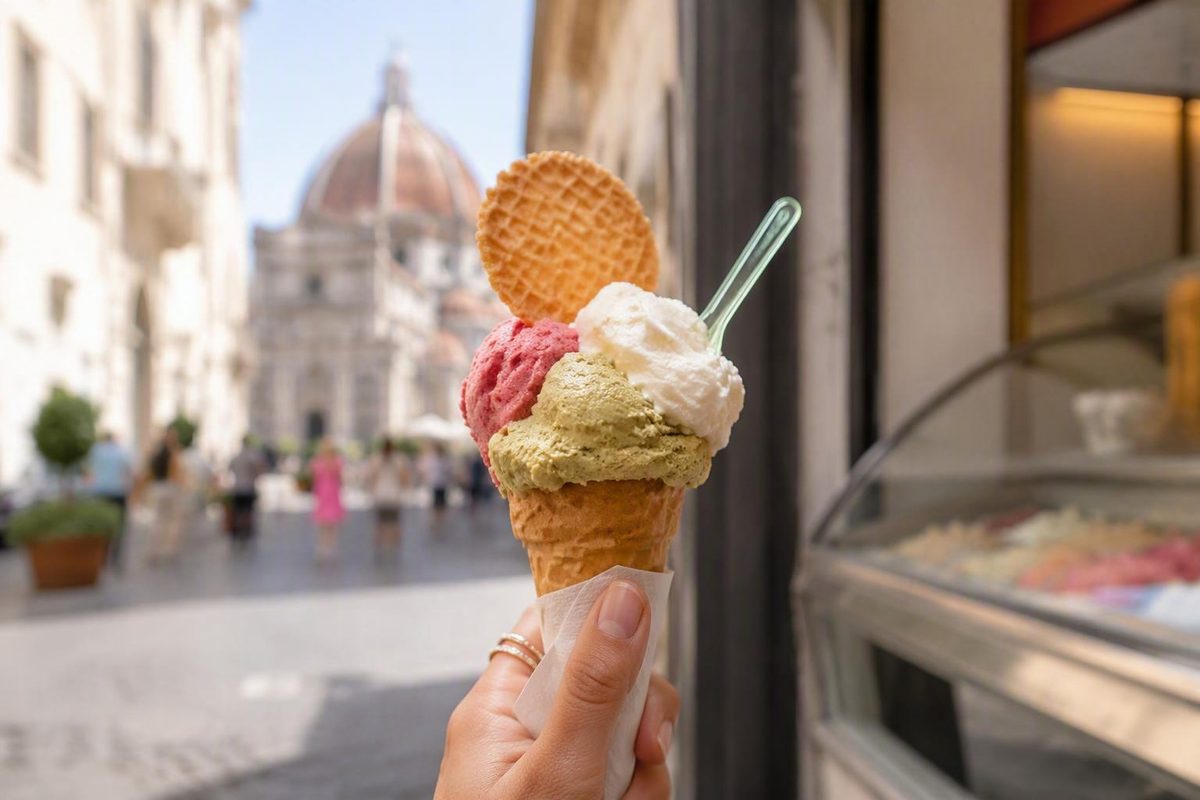
Gelato typically uses more milk than cream, incorporates less air and is served at a warmer temperature.
Overview
Gelato is the Italian word for ice cream, and in Italy it covers every style of the dessert. In English, the term usually refers to a family of Italian-derived styles that tend to use more milk than cream, incorporate less air, and be served warmer than American-style ice cream. There is no single fixed gelato formula, so individual products vary.
That two-part answer matters because the word carries a different scope depending on the language. According to Wikipedia’s entry on gelato, gelato literally means “frozen” in Italian and is the generic word for any type or style of ice cream there, while English speakers use it for a specific style derived from the Italian artisanal tradition. The dessert itself is of Italian origin, per the same source, though the evidence in circulation does not support naming a single definitive inventor, and this article does not attempt one.
The most useful correction to common definitions comes from the ice cream blog Underbelly, which describes gelato as “a family of styles of ice cream that evolved in Italy” and notes that “every absolute fact about gelato that anyone insists upon will have notable exceptions.” The sections below therefore describe typical tendencies in composition, air content, serving temperature, texture, and flavor, and flag where those tendencies break down.
Gelato vs. American-Style Ice Cream
Gelato typically differs from American-style ice cream on four variables: base composition, incorporated air, serving temperature, and the resulting texture and flavor perception. Each entry in the comparison below is a tendency, not a requirement, because products marketed under either label vary in composition.
One caution before the table: many popular comparisons contrast artisanal gelato with mass-produced ice cream, which exaggerates the category gap. Robert F. Roberts, head of Penn State’s Food Science Department, notes in a Penn State research feature that “what is marketed as gelato can have a variety of compositions” in the United States, and that low-overrun ice creams also exist. Compare specific products, not just labels.
| Dimension | Gelato (typical tendency) | American-style ice cream (typical tendency) |
|---|---|---|
| Base composition | More milk, less cream (Talenti) | More cream, often egg yolks (Talenti) |
| Eggs | Fewer yolks or none (Penn State) | Yolks common in custard-style bases (Penn State) |
| Incorporated air | Less incorporated air; usually low overrun (Penn State) | More air; amount varies widely by product tier (Penn State) |
| Serving temperature | Slightly warmer (The Kitchn) | Colder (The Kitchn) |
| Texture | Denser, smoother, softer at service (The Kitchn) | Lighter, fluffier when overrun is high (Penn State) |
| Flavor perception | Main flavor tends to come through strongly (The Kitchn) | Flavor can be muted by fat and cold (Penn State, as reported preference) |
Read the table as a set of defaults that individual recipes override. The mechanisms behind each row are explained in the sections that follow.
Milk, cream, fat, and eggs
Gelato is usually made from a dairy base that emphasizes milk over cream, which typically gives it less fat than American-style ice cream, but neither cream nor eggs is universally required or forbidden. Talenti’s comparison states that gelato uses more milk and less cream, while ice cream contains more cream and often egg yolks. The Kitchn describes gelato as starting from a custard-like base with a higher proportion of milk and a lower proportion of cream and eggs, or no eggs at all.
On fat specifically, Underbelly places gelato’s fat content usually between 5% and 12%, adding “but not always.” Wikipedia lists artisanal gelato in Italy at 6–9% butterfat, lower than other frozen dessert styles. Underbelly also documents that eggs are common in northern Italian gelato but often absent in the south and center, and that cream is almost always omitted in southern styles. The practical takeaway: treat “made with cream” or “contains eggs” as recipe details to check on the label, not category rules.
How Air and Serving Temperature Shape Gelato
Gelato feels dense and smooth yet soft because it typically contains less incorporated air and is held at a warmer temperature than American-style ice cream. Neither variable alone produces the effect; the two work together.
The technical term for incorporated air is overrun. Underbelly defines overrun as the measure of how much a frozen dessert’s volume is increased by air whipped in during freezing, and describes gelato as usually low overrun. The Penn State feature quantifies the scale for ice cream: low-overrun ice creams gain 20 to 40 percent in volume from added air, while very high overrun products can reach 100 percent overrun, meaning double the volume of the original mixture, which yields a light, fluffy texture. Gelato, by contrast, typically incorporates less air than American-style ice cream and is usually low-overrun. Wikipedia’s figures for gelato list roughly 25–35% air. Less air per scoop means more frozen mixture per unit of volume, which is the direct mechanism behind gelato’s density.
Slow churning is part of how that low overrun is achieved. Penn State’s Roberts describes the traditional gelato dasher moving up and down slowly rather than in the faster circular rotation of an ice cream paddle, and Talenti attributes gelato’s denser, smoother body to slower churning incorporating less air. But churning speed does not define the category on its own: the meaningful variable is how much air ends up in the product, and low-overrun ice creams exist too, per Penn State. A dense scoop is not automatically gelato, and not every ice cream is highly aerated.
Temperature explains why that dense product still feels soft. The Kitchn notes that gelato is served slightly warmer than ice cream, which keeps its texture silkier and softer. Warmer service also affects flavor perception. Food writer David Lebovitz reports the Italian explanation: when gelato is less cold, the mouth does not get numbed and flavors are easier to taste. Penn State adds that many gelato fans find flavors more intense because there is less tongue-coating fat and less air, while noting that intensity judgments are ultimately a matter of personal taste.
Why Gelato Recipes and Practices Vary
Gelato recipes vary because the category grew out of regional Italian traditions rather than a standardized formula. Documented regional patterns explain most of the exceptions to the typical traits described above.
The clearest example is the north-south split. Penn State’s Roberts describes “Sicilian gelato” as the lighter, egg-free version preferred in southern Italy, made with milk, cornstarch stabilizers, and fruit. The northern version, which he says was first popularized in the Dolomite region, is richer and contains both cream and eggs. David Lebovitz makes the same observation from the culinary side: gelato in the cooler north is richer, often made with egg yolks and chocolate. Underbelly confirms that eggs are common in the north and often absent in the south and central regions, and that southern styles are almost always made without cream. So the same word covers a starch-thickened, dairy-light Sicilian fruit gelato and a yolk-rich northern chocolate gelato.
This variation is why absolute claims about gelato tend to fail. Statements such as “gelato never contains eggs” or “gelato is always low fat” each have documented exceptions in the sources above, and Underbelly’s formulation is the safest summary: every absolute fact about gelato will have notable exceptions.
Production practices deserve the same skepticism as ingredient rules. Underbelly notes that gelato is sometimes made fresh every day rather than stored overnight, but also that many makers now store product, so daily production “is no longer a given.” Fresh-daily production is a maker’s choice, not a defining property of gelato. Marketing cues presented as authenticity tests, such as production schedules or visual presentation, describe a particular shop’s practice rather than the category. When evaluating a product, the ingredient list and the shop’s actual process are more informative than the label alone.
Is Gelato Healthier Than Ice Cream?
Lower typical fat does not make gelato categorically healthier. Traditional gelato often contains less fat than American-style ice cream, but the label does not determine sugar content, calorie density, or portion size, and those variables drive the nutritional comparison.
The fat tendency is well supported. David Lebovitz states that gelato is known to have less fat than traditional ice cream, and Underbelly places typical gelato fat at 5% to 12%, with exceptions. For US ice cream, Penn State’s Roberts states that manufacturers must meet standards in the Code of Federal Regulations, including no less than 10 percent milk fat, while noting that these standards vary around the world.
Fat is only one input, however. The same Penn State source reports that in both gelato and ice cream “the amount of sugar varies a great deal depending on the brand,” and that products marketed as gelato in the US have a variety of compositions. Density adds a further complication: because gelato typically contains less air, a scoop of equal volume contains more actual product than a highly aerated ice cream, which can offset a lower fat percentage on a per-serving basis. None of the available sources provides a standardized, equal-weight nutritional comparison between the two categories, so no categorical health ranking can be supported. The defensible approach is to compare the nutrition information of the specific products at equivalent serving weights rather than relying on the gelato name.
Is Gelato Always Made With Dairy, and How Does It Differ From Sorbetto?
Gelato commonly contains dairy, while sorbetto (sorbet) is generally a fruit-and-sugar frozen dessert made without dairy. The distinction is a useful default, but individual recipes should be checked rather than assumed.
Penn State’s Roberts lays out the spectrum: a sugar syrup with flavoring and no dairy is a water ice or sorbet, adding a bit of milk makes it a sherbet, and fortifying further with cream and condensed or powdered milk produces ice cream. Gelato sits on the dairy side of that spectrum, typically built on milk, per Talenti and the other sources above. That said, Underbelly documents that gelato composition varies by region and maker, so the amount and type of dairy differ across products. For anyone avoiding dairy, the category names narrow the search but do not settle it: sorbetto is the likelier fit, and the specific product’s ingredient list is the deciding evidence in either case.