
Why Dave's Killer Bread Isn't Gluten-Free – And Better Bread Picks for Your Needs
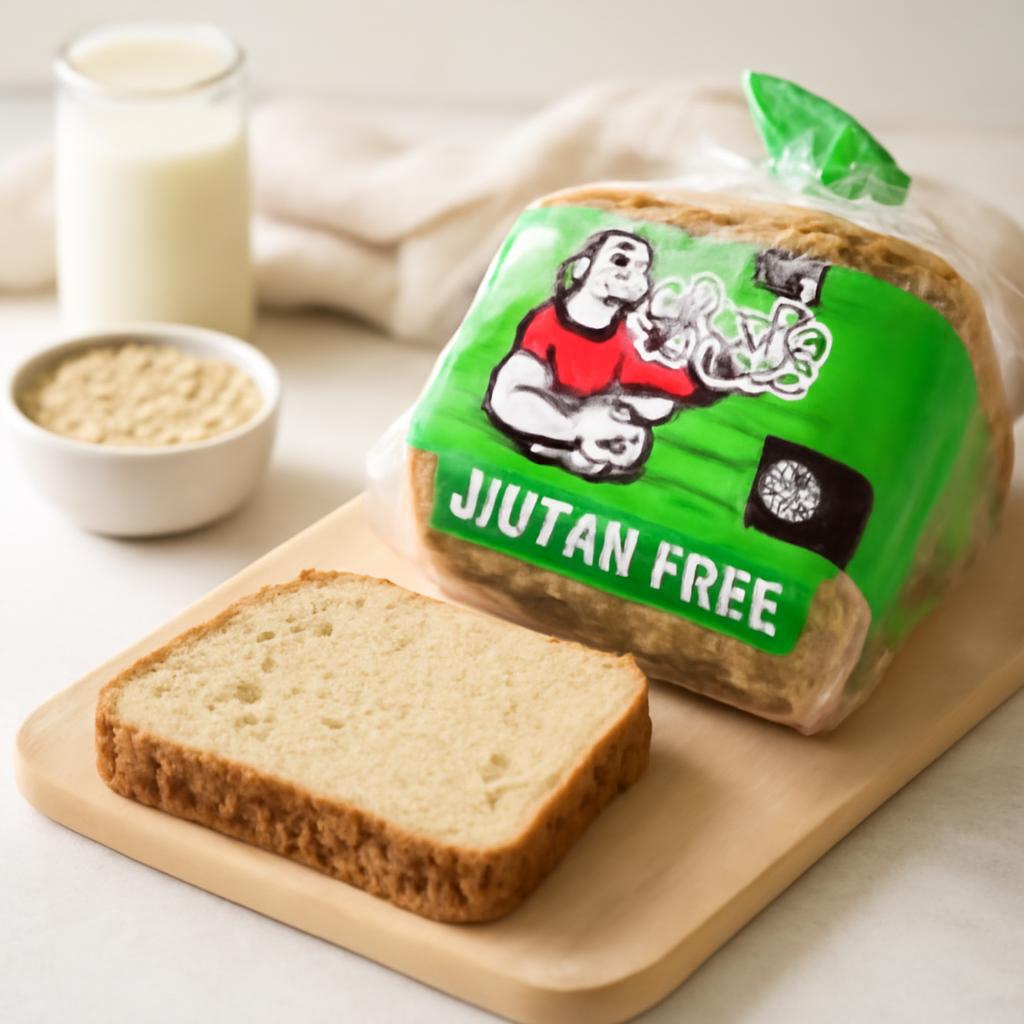
Dave's says it makes no gluten-free products. A reported package warning addressed the main edge case directly: "Spelt is NOT gluten free! NOT for celiacs!"
People usually ask this question for a simple reason: Dave’s Killer Bread looks healthier than many standard sandwich loaves, and some varieties sound less obviously wheat-based than plain white bread. But “organic,” “whole grain,” “seeded,” and even “ancient grain” are not the same thing as gluten-free.
Related: Are Mushrooms Low FODMAP? Safe Types, Servings from Monash Data, and High FODMAP Risks.
The Direct Answer: No Gluten-Free Dave’s Killer Bread
If you’re asking is Dave’s Killer Bread gluten free, the clearest answer in the evidence is no. On its FAQ page, the brand states: “We do not currently make any gluten-free products.” Dave’s Killer Bread FAQ
That single sentence does most of the work. It does not say “some products may be gluten-free.” It does not say “check individual varieties.” It says the company does not currently make any gluten-free products. Dave’s Killer Bread FAQ
There is also an older, more emphatic company remark preserved in a 2012 third-party report: “Dave’s Killer Bread is not gluten free. Without gluten, it wouldn’t be Dave’s Killer Bread.” Because that wording appears in historical reporting rather than on the current FAQ page, it is best treated as an attributed older statement, not as a fresh on-site quote. Even so, it points in the same direction as the current FAQ. Art of Gluten-Free Baking’s report on the spelt labeling incident
The evidence also does not show a hidden gluten-free exception elsewhere in the line. Dave’s appears in product coverage for breads, bagels, English muffins, buns, and related baked goods, while a Gluten Free product type and Canyon Bakehouse appear separately in the same Flowers foodservice catalog context. That separation does not prove the ingredients of every SKU by itself, but it strongly reinforces the brand FAQ’s broader point: Dave’s is not presented here as the gluten-free line. Flowers Foods foodservice listing for Dave’s Killer Bread and Canyon Bakehouse
Third-party ingredient reporting points the same way. The cited ingredient summaries for major Dave’s loaves include wheat flour, cracked whole wheat, wheat gluten, and in one case barley, rye, and spelt as well. The same roundup also reports that Dave’s snack bars contain wheat. The Allergy Chef’s ingredient roundup on Dave’s Killer Bread
So the practical shopping takeaway is straightforward: do not treat Dave’s Killer Bread as a gluten-free brand, and do not assume that a lighter loaf, a seeded loaf, a spelt loaf, or a non-loaf item must be different. The supplied evidence supports the opposite conclusion. Flowers Foods foodservice listing for Dave’s Killer Bread and Canyon Bakehouse
Official Statements from Dave’s Killer Bread FAQ
The official brand language is unusually direct. In response to “Do you make a gluten-free bread?”, Dave’s says: “We do not currently make any gluten-free products. It’s really hard to get a gluten-free bread to match our high standards for killer taste and texture (we’re trying!).”
That wording matters for two reasons.
First, it rules out the idea that Dave’s has a quiet gluten-free sub-line that just is not widely stocked. The company is not saying, “Some products are gluten-free” or “Read each package carefully because only certain items qualify.” It is saying there are no current gluten-free products.
Second, it explains the brand’s development position. Dave’s is not claiming gluten-free bread is impossible. It is saying the company has not yet made one that meets its standards for taste and texture. So if you have heard that Dave’s has tried to make a gluten-free loaf, that fits the FAQ. But trying is not the same as launching. The evidence supplied here documents no released gluten-free Dave’s product.
The same FAQ also mentions organic cultured wheat as one of the natural ingredients that helps keep the bread from molding quickly. That line is not a full ingredient panel for every product, but it does reinforce a broader theme visible across the evidence: wheat is not incidental to the brand.
There is one more historical detail worth noting carefully. In the 2012 spelt-bread controversy discussed later, a third-party report says the company clarified that Dave’s bread was not gluten-free and that representatives were not supposed to describe it that way. Because that account is historical and secondary, it should stay in that limited role. The current, strongest evidence of the company’s present position remains the FAQ’s plain statement that it does not currently make any gluten-free products. Art of Gluten-Free Baking’s report on the spelt labeling incident
In short, the official picture is simple:
- Dave’s says it does not currently make any gluten-free products.
- Dave’s says it has tried to develop one that meets its standards.
- Historical third-party reporting about the spelt incident aligns with that non-gluten-free position.
For a label-reading shopper, that is already enough to answer the main question.
Ingredients in Popular Varieties Confirm Gluten
The brand-level answer is clear on its own, but the cited ingredient summaries for popular loaves make it even harder to misunderstand.
For 21 Whole Grains and Seeds, the supplied evidence includes ingredient summaries listing organic whole wheat flour, cracked whole wheat, and organic wheat gluten. Those are direct gluten signals, especially the added wheat gluten. The Allergy Chef’s ingredient roundup on Dave’s Killer Bread
For White Bread Done Right, the cited ingredient summary is even more explicit. It includes organic wheat flour, organic whole wheat flour, organic barley flour, organic rye flour, organic spelt flour, and organic wheat gluten. Any one of those would disqualify a bread from gluten-free status. Together, they remove any ambiguity.
This is where shoppers often get misled by the general look and positioning of the brand. Dave’s emphasizes organic ingredients, seeds, whole grains, and a more substantial bread profile than standard white sandwich bread. None of that makes a loaf gluten-free. A bread can be nutritionally stronger than many supermarket loaves and still be built squarely on wheat. The evidence here points exactly that way. Veedma’s overview of Dave’s as a wheat-based seeded bread
There is also a useful nuance in the evidence from Hone Health: most Dave’s breads are described as whole-wheat based, with White Bread Done Right standing apart stylistically from the rest. But that difference is about style, not gluten status. White Done Right still uses wheat, barley, rye, spelt, and added wheat gluten in the cited ingredient summary.
One editorial note is worth being transparent about: these named ingredient lists are supported here by third-party summaries rather than current first-party Dave’s product pages in the evidence pack. That does not weaken the brand-wide answer from the FAQ, but it does mean the cleanest way to read this section is as corroboration. The official FAQ already says no gluten-free products exist; the cited ingredient roundups for major loaves show why that answer makes sense in practice.
So if your question is more specific—“What about 21 Whole Grains and Seeds?” or “What about White Bread Done Right?”—the supplied ingredient evidence still leads to the same answer: those loaves contain gluten-containing grains or added wheat gluten.
The Spelt Bread Confusion and Company Response
The spelt variety is the main reason this question still circulates.
At a glance, spelt sounds less obvious than wheat. It is often described as an ancient grain. And older web snippets or menu descriptions appear to have confused some shoppers. But in the evidence supplied here, the historical bottom line is clear: the spelt bread was not gluten-free.
The 2012 report from Art of Gluten-Free Baking recounts an incident in which a restaurant reportedly served Dave’s Good Seed Spelt bread as gluten-free. According to that account, the company later clarified that the bread did contain gluten and that Dave’s had not intended the product to be understood as gluten-free. The report also says the website wording was updated afterward. Because this is a personal blog recounting a specific incident, it should be used as historical context, not as current brand policy. But as historical context, it is highly relevant.
The same report reproduces company wording explaining what spelt is: “Spelt is an ancestor to wheat, and the FDA says it is wheat.” For a shopper, that is the practical point that matters. Spelt is not a loophole around wheat; it belongs in the wheat family and was not presented here as a gluten-free grain.
The strongest warning in the supplied evidence is the reported package statement itself: “Spelt is NOT gluten free! NOT for celiacs!”
That warning is useful because it cuts through the two common myths at once:
- “Ancient grain” does not mean gluten-free.
- “Different from standard wheat” does not mean suitable for a gluten-free diet.
The 2012 report also notes that some older wording suggested some wheat-sensitive people felt the bread “agreed” with them. Even if some individuals reported that experience, it is not the same thing as gluten-free status. The package warning quoted above says the opposite as plainly as possible.
Why does the spelt confusion keep resurfacing?
- spelt sounds unfamiliar enough that some shoppers do not immediately connect it to wheat,
- “ancient grain” gets mistaken for “gluten-free,” and
- restaurant descriptions, search snippets, or old page wording can flatten an important distinction.
The safest conclusion supported by this evidence is the narrow one: the spelt variety was not gluten-free, and historical reporting shows the package itself warned against treating it that way.
Snack Bars, Bagels, and Other Products
A common follow-up question is whether the answer changes once you leave the sliced-loaf aisle. The supplied evidence says there is no documented gluten-free exception elsewhere in the Dave’s line.
In the Flowers foodservice catalog, Dave’s Killer Bread appears as a brand that includes breads and other baked products, while Gluten Free appears as a separate product type and Canyon Bakehouse appears separately as its own brand. Again, that catalog structure is not an ingredient label for every individual item. But it does support the broader reading of the FAQ: Dave’s is not the gluten-free brand in that product ecosystem.
The item categories visible in the supplied coverage include bagels, breads, English muffins, and buns. Combined with the FAQ’s statement that Dave’s does not currently make any gluten-free products, the evidence does not leave room for a documented bagel, bun, or English muffin exception.
For snack bars, the evidence is more direct, though still third-party. The Allergy Chef roundup states that Dave’s snack bars contain wheat and are not gluten-free. Since that is not a current first-party product page, the careful shopper should still verify the specific package in hand. But based on the evidence provided here, snack bars are not a safe-looking exception to assume into existence.
That qualification matters. The strongest brand-wide evidence is still the official FAQ. The product-category evidence is useful because it shows breadth, but the FAQ is what lets you answer the whole-line question responsibly: Dave’s says it does not currently make any gluten-free products.
So the practical rule is simple: don’t guess by product shape. A bun is not automatically different from a loaf. An English muffin is not automatically safer than sandwich bread. A snack bar is not automatically gluten-free because it looks more like a granola product. Start with the package, but if you are working only from the evidence here, treat Dave’s entire line as not documented gluten-free.
Gluten-Free Alternatives with Similar Nutrition
If what you actually like about Dave’s is not the brand name but the hearty, seeded, substantial feel, then the replacement task gets easier. You are not really trying to clone Dave’s; you are trying to replace a bread experience.
In the same Flowers foodservice catalog where Dave’s appears as its own brand, Canyon Bakehouse appears separately and alongside a distinct Gluten Free product type.
Another alternative named in the evidence is Modern Bread and Bagel. That recommendation comes from The Allergy Chef’s roundup, so it should be treated as a third-party shopping lead rather than a guarantee that every product, format, or location will match your needs.
When you compare alternatives, focus on the attributes that made Dave’s appealing in the first place:
- explicit gluten-free labeling
- the actual grains and starches used
- seed content
- slice size
- calories per slice
- fiber
- protein
- overall texture and density
That last point matters more than many shoppers expect. If satiety matters to you, it helps to compare protein and calories together rather than assuming that “healthier-looking” bread will keep you as full. Our article on protein density explains that general tradeoff in a way that can help when you are comparing bread labels.
In practical terms, that means this: if Dave’s worked for you because it felt substantial, don’t replace it with the first soft gluten-free white sandwich loaf you see and expect the same experience. Look instead for gluten-free breads that advertise a seeded or whole-grain style profile, then compare the nutrition panel and ingredient list carefully.
The evidence here does not support saying any alternative is a perfect nutritional mirror of Dave’s. What it supports is a smarter comparison method: start with clearly gluten-free products, then compare fiber, protein, seed content, and slice size until you find the closest match for how you actually eat.
How to Check Any Bread for Gluten – Label Math
For bread, gluten checking is usually less complicated than people make it.
Start with the ingredient list, not the marketing on the front of the package.
- wheat
- barley
- rye
- spelt
- malt
- wheat gluten
The Dave’s examples in the supplied evidence show several of those directly: organic whole wheat flour, cracked whole wheat, barley flour, rye flour, spelt flour, and wheat gluten.
Next, look for clear gluten-free labeling. But do not stop there; still read the ingredients. The reason is simple: front-of-pack language can be skimmed, misread, or confused with other nutrition signals. The Dave’s spelt incident is a good example of how easily people can be thrown off by wording, unfamiliar grains, or secondhand descriptions.
Then separate the gluten question from the nutrition question.
- Nutrition pass: Once it clears step one, compare slice size, calories, fiber, and protein if you are trying to replace a bread you used for satiety or meal structure.
That is the “label math” that matters most here. Do not reverse the order. A bread can have strong fiber and protein numbers and still fail the gluten test immediately.
A practical sequence looks like this:
- Check for an explicit gluten-free statement.
- Read the ingredient list anyway.
- Watch for wheat, barley, rye, spelt, malt, or wheat gluten.
- Compare slice size and nutrition only after the gluten question is settled.
- If you are relying on older web information, verify the current package.
That last point matters because some of the evidence here is historical or third-party. The official FAQ is current enough to answer the brand-level question, but food products can change over time. If you are standing in a store with a package in hand, the current label is more useful than a search snippet or an old article.
If you regularly compare packaged foods for gluten status, our broader set of gluten-free label guides follows the same read-the-label-first logic across sauces, granola, and other foods.
For this specific question, though, the evidence still points one way: Dave’s Killer Bread is not documented as a gluten-free brand, and cited ingredient summaries for major loaves confirm gluten-containing grains. If you need a gluten-free bread, choose one that is clearly labeled that way and re-check the package at purchase. This article is for general informational purposes only.
Has Dave’s Killer Bread released gluten-free bread recently?
No gluten-free Dave’s product is documented in the supplied official evidence. The brand FAQ says, “We do not currently make any gluten-free products,” while also noting that it has tried to develop one that meets its standards for taste and texture.
Why do some people think the spelt bread is gluten-free?
But the historical evidence cited here points the other way. The reproduced company description said spelt is an ancestor to wheat and that the FDA considers it wheat, and the reported package warning stated: “Spelt is NOT gluten free! NOT for celiacs!”
Are Dave’s Killer Bread snack bars safe for gluten avoidance?
The supplied evidence says no. A third-party allergy-focused roundup reports that Dave’s snack bars contain wheat and are not gluten-free, and the official FAQ says the brand does not currently make any gluten-free products.
What gluten-free breads have a similar seeded, organic profile?
The best-supported starting point in this evidence is Canyon Bakehouse, which appears separately from Dave’s in the Flowers foodservice catalog and fits the catalog’s gluten-free product structure. Modern Bread and Bagel is another third-party recommendation worth checking. The more reliable way to compare substitutes is by label: check gluten-free status first, then compare seed content, slice size, calories, fiber, and protein.