
The Mellow Floral Taste of Chamomile Tea: What to Expect and How It Fits Your Tracking Routine
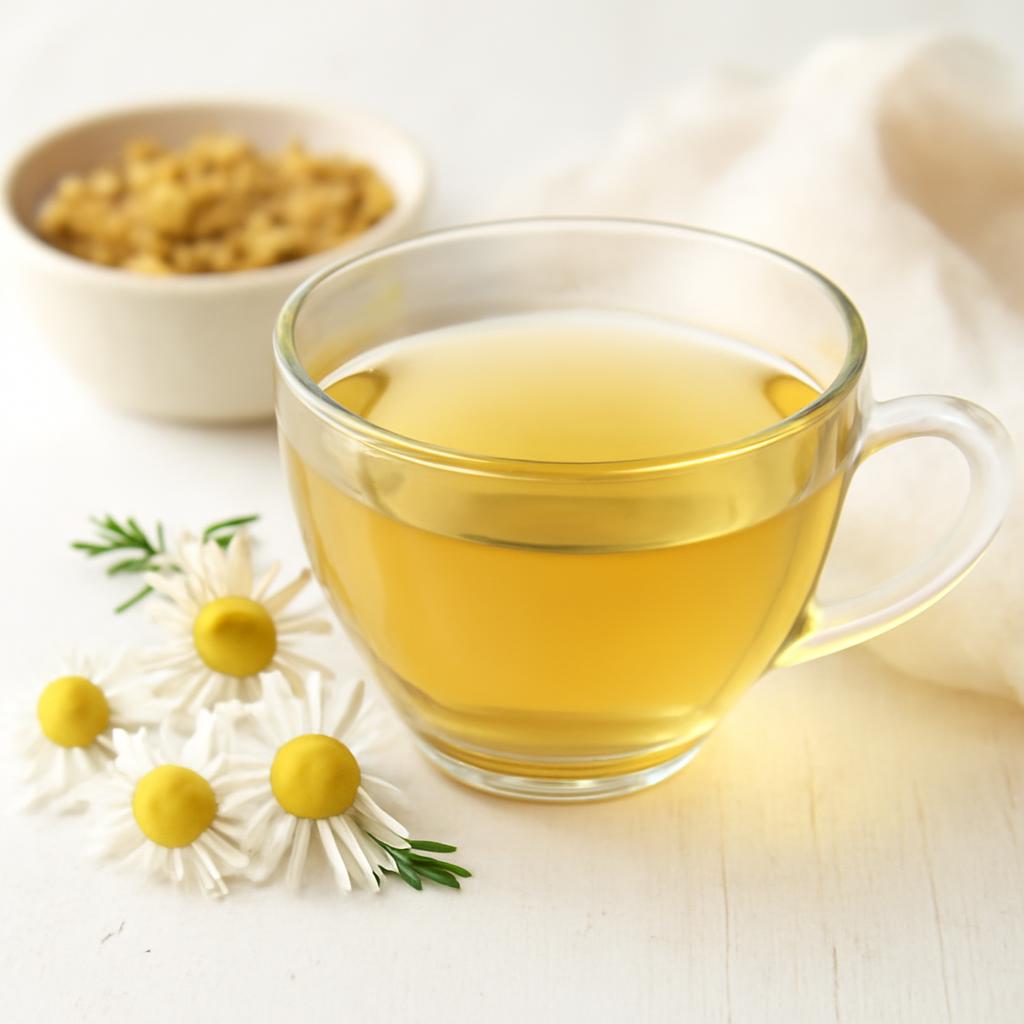
One useful quality check: good chamomile is described as sweet, floral and smooth. Poor-quality tea can taste flat, dusty, bitter, grassy or stale.
If you want the shortest usable answer to what does chamomile tea taste like, the most commonly repeated description is mild, floral, lightly sweet, and faintly apple-like. Seller guides, recipe writers, and a tea sommelier repeatedly describe soft honey notes, a little hay-like earthiness, and a smooth finish rather than the bitterness some people expect from “tea” Twinings, Oasis Teaz, Cydno, and Oh, How Civilized.
The main caution is that taste evidence on chamomile is mostly descriptive, not laboratory-grade. In other words, this is a topic where the usable source base is mostly tea sellers, recipe writers, and tasting-style guides, not controlled sensory research. So the safest way to read any flavor claim is as a commonly reported description, not a universal fact.
That said, the overlap is still useful. Chamomile is generally described as a naturally caffeine-free herbal infusion, not a true tea from Camellia sinensis Jing Tea and Alphafoodie. For trackers, that matters because it gives you an evening drink option that is usually plain, unsweetened, and simple to fit into a routine without the stimulant question that comes with coffee, black tea, or many bottled tea drinks.
The second caution is that chamomile is subtle. Good chamomile is often described as soft, sweet, and soothing. Bad chamomile is often described as dusty, flat, grassy, stale, or vaguely medicinal Mountain Kahani and Oasis Teaz. So the best answer is not just “floral.” It is floral, apple-adjacent, and soft when the flowers are fresh and the cup is brewed well.
Core Flavor Profile of Chamomile Tea
In plain form, chamomile usually falls into four overlapping taste zones: floral, lightly sweet, faintly fruity, and softly earthy. Across the source set, the descriptors that recur most often are apple, honey, wildflowers, hay, and smoothness Twinings, Oasis Teaz, and Mountain Kahani.
That does not mean it tastes like apple juice. The apple note is usually described as a background impression: more orchard-fruit aroma or soft sweetness than obvious fruit flavor. Oasis Teaz attributes that profile to aromatic compounds including bisabolol and chamazulene, while also noting trace natural sugars in the flower heads, which helps explain why plain chamomile can seem a little sweet even without added sugar.
A practical tasting model looks like this:
- Front of the sip: gentle floral aroma
- Mid-palate: light sweetness, often compared to honey or fresh apple
- Finish: hay, straw, or mild earthiness rather than tannic bite
That last point is important. Chamomile is regularly described as smooth and mellow rather than inherently bitter, especially when brewed correctly Oasis Teaz and Mountain Kahani. Oasis also explicitly contrasts it with tannic true teas, noting that chamomile does not behave like black or green tea in the cup. If you are used to drinks with grip, astringency, or bitterness, chamomile can seem unusually quiet.
The apple association is not just modern tea-marketing language. Both Twinings and Cydno trace the word camomile/chamomile to Greek roots meaning “ground apple” or “earth apple”, which helps explain why so many descriptions circle back to apple even though the drink itself is mostly floral Twinings and Cydno.
Another useful distinction: chamomile is usually described as floral but not perfumed. Twinings says to think “meadows, not perfume,” while Mountain Kahani similarly describes the floral character as soft rather than intense Twinings and Mountain Kahani. That matters because some people hear “floral” and assume soapiness. Chamomile is usually reported as gentler than rose or lavender.
If you like bold flavors, this subtlety can feel like under-delivery. If you want a gentle, low-intensity cup, it is the entire appeal.
German vs Roman Chamomile: Taste Differences
Yes, the type of chamomile can affect the cup, though the evidence here is thinner than it is for brewing and freshness.
The two main tea varieties mentioned across the sources are German chamomile (Matricaria chamomilla or Matricaria recutita) and Roman chamomile (Chamaemelum nobile) Alphafoodie and Oh, How Civilized.
On taste, the clearest recurring distinction in the source set comes from Cydno: German chamomile is described as more delicate and mildly sweet, while Roman chamomile is described as more earthy and slightly more bitter. Because that comparison comes from seller guidance rather than neutral sensory testing, it is best treated as a useful rule of thumb, not a hard law.
In practical terms, that gives you this rough tasting split:
- German chamomile: usually described as milder, sweeter, and more apple-honey forward
- Roman chamomile: usually described as greener, earthier, and a little more bitter
That difference can matter, but not as much as people sometimes assume. A stale bag of German chamomile can taste worse than a fresh Roman loose-flower tea. In ordinary shopping, freshness, storage, and brew strength probably influence the cup more than species alone.
One more nuance: many mass-market products do not clearly label the species on the front of the box. Cydno also says most tea blends use German chamomile because its milder profile has broader appeal. That is a market observation from a seller, not an audited industry statistic, but it does fit the fact that most mainstream descriptions of chamomile lean toward “gentle and sweet” rather than “earthy and bitter.”
So if you are asking what supermarket chamomile probably tastes like, the working assumption is usually the gentler end of the spectrum.
How Brewing Changes the Taste
If one cup of chamomile tastes pleasant and the next tastes grassy, flat, or medicinal, brewing is the first place to look.
A sensible middle range from the sources is water just off the boil, roughly 90 to 95°C, with about 4 to 7 minutes of steeping, and Jing Tea. Product-specific advice varies a bit: Jing suggests a shorter 3-minute steep for its own chamomile, while Alphafoodie and Oasis are comfortable with somewhat longer infusions, Alphafoodie, and Oasis Teaz. That is not really a contradiction; cut size, flower quality, and tea-bag format all change extraction speed.
The tradeoff is simple:
- Shorter steeps: lighter, more floral, sometimes too faint
- Middle steeps: more balanced sweetness and apple-floral character
- Longer steeps: more earthiness, and a higher risk of bitterness or medicinal notes
Oasis Teaz says over-steeping, stale flowers, or water that is too hot can push the cup toward bitterness or an off medicinal edge. Alphafoodie similarly warns that too many flowers or too long a steep can make the cup bitter. Tea sommelier Jee Choe adds a helpful nuance: with dried chamomile, over-steeping may read as medicinal more than bitter. Those descriptions are compatible. They describe different ways an overbuilt cup can feel unpleasant.
Leaf grade matters too. Oasis says loose leaf or whole flowers usually taste cleaner than low-grade tea bags made with finer broken material, and Jing emphasizes whole flower heads with low dust for a cleaner cup Oasis Teaz and Jing Tea. Again, that is partly seller guidance, but it matches the broader freshness story:
- Whole flowers: brighter aroma, cleaner sweetness, less muddiness
- Dusty bags: flatter, grassier, more stale-tasting if the material is old
Serving temperature also changes perception. CELESTE describes hot chamomile as mellow, warm, floral, and lightly honeyed, while iced chamomile comes across as crisper, lighter, and more herbal-sweet CELESTE. That is useful if you dislike chamomile hot but have only tried it one way. Heat tends to make the cup seem softer; chilling makes the herbal edges more obvious.
If you want the safest first cup, start here:
- Use whole flowers if possible.
- Use water just off the boil.
- Steep for about 5 minutes.
- Taste before adjusting.
- If it is too faint, go slightly longer next time.
- If it tastes harsh or medicinal, use less tea or shorten the steep.
Most chamomile disappointment is probably not “I hate chamomile” so much as “I brewed a subtle herb like a strong tea.”
Quality and Freshness Impact on Flavor
Chamomile is one of those drinks where quality shows up quickly.
Mountain Kahani draws a sharp line between good chamomile and poor-quality chamomile. In its description, good chamomile tastes naturally sweet, floral, smooth, with notes of honey, fresh apple, and wildflowers; poor-quality chamomile tastes flat, dusty, bitter, grassy, or stale. Oasis makes a similar point by tying bad cups to stale flowers, low-grade bag dust, or brewing errors rather than to chamomile as a category.
The most repeated visual cue is whole golden flower heads with minimal dust. Mountain Kahani recommends intact flowers and a sweet apple-like dry aroma. Jing similarly highlights whole flower heads and low dust in its own chamomile sourcing. Because both are sellers, that should be read as informed product guidance rather than neutral lab analysis, but it is still a reasonable buying heuristic.
In practical shopping terms, quality problems usually show up as:
- a dull or stale dry smell
- lots of powder or fragments in the bag
- flowers that look brown and tired rather than golden
- a brewed cup that tastes muddy instead of clear and soft
Origin claims need even more caution. Jing describes its Croatian chamomile as clean, clear, and delicate. Mountain Kahani describes Himalayan chamomile as sweeter, more aromatic, and more layered. Those are useful as producer examples, but they should not be treated as universal rules about Croatia or the Himalayas. Geography may matter, but so do drying, storage, harvest timing, and how broken the flowers are by the time they reach you.
A practical buyer’s checklist looks like this:
- Prefer whole flowers over powdery material when possible.
- Look for a sweet, appley dry aroma, not a dull grassy smell.
- Avoid tea that looks overly brown, crushed, or dusty.
- If your first box tastes flat, do not assume the flavor profile is wrong for you; the product quality may be.
That is especially relevant for people who say they dislike chamomile after one supermarket tea bag. A subtle herb brewed from stale fragments can easily taste like dried grass in hot water. A fresher, cleaner version may not.
Blends and Enhancements for Better Taste
Plain chamomile is often described as naturally sweet enough to drink without sugar, and Mountain Kahani. For both taste testing and tracking, that is the best starting point: drink it plain once so you know what the tea itself is doing before you change it.
If you do want to alter the flavor, the most common add-ins in the source set are straightforward:
- Honey: deepens the existing honey-like sweetness
- Lemon: adds brightness and cuts some of the softness
- Mint or peppermint: adds a cool, cleaner finish
- Apple and cinnamon: pushes the tea toward a warmer seasonal profile
- Lavender: increases floral intensity, but can also add bitterness or a more perfumed note
These combinations appear across CELESTE, Cydno, and Alphafoodie CELESTE, and Alphafoodie.
The easiest way to choose an add-in is to diagnose what you dislike:
- If plain chamomile seems too faint, add mint or ginger.
- If it seems too soft, add lemon.
- If it tastes grassy, a little honey can round it out.
- If it seems too quiet, try iced chamomile or an apple-cinnamon version.
Lavender deserves its own warning. Both CELESTE and Cydno frame it as a stronger floral partner, and CELESTE explicitly notes a slightly bitter, perfume-like edge in lavender-chamomile blends CELESTE and Cydno. If your concern is that chamomile tastes like flowers already, lavender probably moves in the wrong direction.
Milk is possible, but it is usually not the best first addition if your goal is to understand chamomile itself. Oasis and Cydno both treat chamomile as a subtle floral tea whose softer notes can be muted by richer add-ins Oasis Teaz and Cydno. Lemon or honey usually makes more sense before milk does.
For trackers, the useful split is simple: the base infusion is the easy part; sweeteners and creamy add-ins are where the entry becomes a different drink.
Chamomile Tea Nutrition for Calorie Trackers
The strongest nutrition-related points in the evidence are straightforward. Plain chamomile is naturally caffeine-free, and it is an herbal infusion or tisane rather than a true tea, Jing Tea, and Alphafoodie.
On calories, careful wording matters. The evidence provided here does not support a precise universal calorie number for brewed chamomile. Oasis does note trace natural sugars in the flower heads, so “literally nothing” is not the most careful botanical description. But from a tracking point of view, plain unsweetened chamomile belongs in a very different category from soda, juice, sweetened lattes, or alcohol. The meaningful changes usually come from what you add to it.
That makes chamomile useful for people who want an evening drink ritual without also taking in caffeine or building a complicated log entry. If you already think about beverages in comparison terms, chamomile is the opposite kind of case from kombucha caffeine levels, which vary by tea base, brand, and serving. It also fills some of the same “drink something, log almost nothing” role as measured low-calorie mixed drinks, just without the alcohol.
The main logging caution is simple: plain chamomile and enhanced chamomile are not the same entry. Add honey, maple syrup, juice, or sweetened milk and the tea stops being just a plain infusion. The numbers then come from the add-ins, not from chamomile’s flavor profile.
For maintenance-minded readers, that is the real attraction. Chamomile gives you flavor, warmth, and routine with very little bookkeeping when you drink it plain. If you are thinking about repeated habits rather than one drink in isolation, this TDEE explainer is the better companion article for deciding how much small nightly behaviors matter in practice.
Comparisons to Other Herbal Teas
The easiest way to understand chamomile is by contrast.
Compared with green tea, chamomile is usually described as less vegetal and less bitter. Oasis explicitly says it is not grassy like green tea. If green tea reads to you as spinachy, seaweedy, or tannic, chamomile will generally feel softer and less angular.
Compared with peppermint, chamomile is much gentler. Cydno describes peppermint as bright, sharp, and cooling, while chamomile is mellow and lightly sweet. Peppermint announces itself; chamomile usually does not.
Compared with hibiscus, chamomile is far less tart. CELESTE’s hibiscus-chamomile blend description is fruity and tart, which makes the contrast clear: hibiscus brings the acid and vividness; chamomile does not.
Compared with lavender, chamomile is usually less perfumed and less bitter. Cydno describes lavender as more floral and slightly bitter, and CELESTE’s blend notes also lean more perfume-like Cydno and CELESTE. This is one of the most useful comparisons because people who worry that chamomile will taste “soapy” are often imagining lavender rather than chamomile.
So the broad picture is this: chamomile is one of the milder mainstream herbals. It is typically described as:
- less vegetal than green tea
- less sharp than peppermint
- less tart than hibiscus
- less perfumed than lavender
That subtlety is both its selling point and its limitation. If you want volume, punch, or acid, it may feel too quiet. If you want a low-drama cup, that quietness is exactly what makes it pleasant.
Fresh vs Dried Chamomile Tea Taste
Fresh and dried chamomile do not taste identical.
Simple Seasonal describes fresh chamomile tea as sweeter, with more obvious apple undertones and less bitterness than many dried versions Simple Seasonal. Tea sommelier Jee Choe, writing about dried flowers, describes dried chamomile as slightly earthy with floral and apple notes, and says long steeping can make it taste medicinal.
That gives you a plausible fresh-versus-dried contrast:
- Fresh chamomile: brighter, sweeter, fruitier, more distinctly apple-like
- Dried chamomile: softer, earthier, more hay-like, and more prone to a medicinal edge if oversteeped
Drying is not a flaw by itself. Most commercial chamomile is dried, and good dried flowers can taste excellent. But drying does seem to shift the cup away from fresh, juicy brightness and toward a gentler herbal profile. If the dried flowers are old or fragmented, the flavor can flatten further.
For most readers, fresh chamomile is a garden or seasonal experience rather than the default. So the practical takeaway is modest: if you try fresh flowers and love them, do not expect a boxed tea bag to taste identical. The resemblance is real, but the fresh version may come across sweeter and more obviously appley.
Put together, the most defensible summary is this: chamomile is commonly described as softly floral, mildly sweet, faintly apple-like, and lightly earthy, with the best cups tasting clean and smooth rather than bitter. For trackers, that makes it useful not because it is magical, but because it is simple: caffeine-free, easy to drink plain, and easy to keep separate from the calories or carbs that show up only when you start adding things.
Is chamomile tea naturally sweet or does it need sugar?
Usually, it is described as at least a little naturally sweet. Oasis, Cydno, Mountain Kahani, and Alphafoodie all describe some combination of honey-like or apple-like sweetness even without added sugar, Mountain Kahani, and Alphafoodie.
Whether it needs sugar depends mostly on your palate and the tea quality. Good whole-flower chamomile often does not need anything. Lower-quality or oversteeped chamomile is more likely to benefit from honey or lemon because you are correcting a rough cup, not improving a great one.
Why does chamomile tea taste bitter sometimes?
When chamomile tastes bitter, grassy, or medicinal, the most common explanations in the sources are over-steeping, too much tea, overly hot water, stale flowers, or low-quality broken material, Alphafoodie, and Oh, How Civilized.
The practical fix is usually to shorten the steep, use slightly less chamomile, and switch to fresher or less dusty flowers if possible.
How much caffeine is in chamomile tea?
Plain chamomile tea is naturally caffeine-free because it is an herbal infusion rather than a true tea, Jing Tea, and Alphafoodie.
That is one reason it is commonly used in evening routines. If you want a comparison point for tracking, contrast it with drinks whose caffeine varies by tea base and brand rather than with coffee, which is caffeinated by design.
Hot or iced: which chamomile tea tastes better?
Neither is universally better; they emphasize different parts of the same profile. CELESTE describes hot chamomile as more mellow, warm, floral, and lightly honeyed, while iced chamomile tastes crisper and more herbal-sweet.
If you want maximum softness, drink it hot. If you want more refreshment and sharper edges, try it iced.
German or Roman chamomile for milder taste?
German chamomile is the safer bet for a milder cup. In the source set, Cydno describes German chamomile as more delicate and mildly sweet, while Roman chamomile is more earthy and slightly more bitter.
Still, freshness and brewing matter more than species alone. A carefully brewed Roman chamomile can taste gentler than stale or oversteeped German chamomile.
Sources
- Commercial Blog · What Does Camomile Tea Taste Like? – Twinings.
- Commercial Blog · What Does Chamomile Tea Taste Like? | A Flavor & Brewing Guide - CELESTE.
- Commercial Blog · What Does Chamomile Tea Taste Like? The Honest Answer – Oasis Teaz.
- Commercial Blog · What does Chamomile tea taste like? – Jing Tea.
- Commercial Blog · What Does Chamomile Tea Taste Like?.
- Commercial Blog · What Does Chamomile Tea Taste Like? | Complete Taste Guide – Mountain Kahani.
- Recipe Blog · How To Make Chamomile Tea – Alphafoodie.
- Third Party · Tea Sommelier’s Chamomile Tea Recipe - Oh, How Civilized.
- Third Party · How to Make Chamomile Tea with Fresh Flowers - Simple Seasonal.